Showing posts with label fruit. Show all posts

Wednesday, March 7, 2018

Top 5 Fruits for Weight Loss


I love fruit and when I was on a low carb diet I wasn't able to eat very much.  Now that I'm on Weight Watchers I can have my fruit.  This article shows me what fruits are the best for me and my diet.  It's from verywell Fit .  Out of these 5 fruit I like 4.  Never been a fan of raspberries but you can bet I'll be enjoying all the rest.

#1 Apple
It’s no secret that fruit is a smart part of a healthy diet. When a snack attack hits, pay a visit to your fruit bowl. Whatever’s in there is likely to be better for you than the contents of your pantry. But is all fruit created equal? Let's investigate which fruits are best if you’re looking to lose weight.
Apples are a common favorite. They're the ultimate snack: filling, juicy, crunchy, and portable. Studies have even shown that eating three apples per day can help with weight loss - not surprising, considering they’re chock-full of fiber, a nutrient that’s known to boost feelings of fullness and ward off hunger pangs.
There are plenty of ways to get your daily dose of apple: Chow down on a whole Fuji (apples are such a packable snack!), add pieces to your oatmeal, throw slices into a salad, bake some with your chicken, or cook up a low-cal dessert. 
1 medium apple: 95 calories


#2 Watermelon
Watermelon is a double whammy: It’s low in calories with a high water content. This means you can eat two entire cups of watermelon for less than 100 calories and your stomach will feel like you’ve eaten more because the fruit is more than 90 percent water. Staying hydrated helps you feel full!
If you’re looking to lower your daily calorie intake, incorporating watermelon into your diet is a smart move. Munch on it whenever you feel the urge to snack. This way, you’ll avoid higher-calorie foods and satisfy your sweet tooth. 
1 cup diced watermelon: 46 calories,


#3 Raspberries
Raspberries are small but mighty! These babies are low in calories, and even lower when you consider that they’re high in insoluble (indigestible) fiber. When you eat a 64-calorie cup of raspberries, you’re really only digesting about 32 calories. Put that together with the fact that raspberries have the highest fiber content of any fruit (1 cup = 8g fiber), and we’ve got ourselves a weight-loss winner.
1 cup raspberries: 64 calories, 0.5g fat, 1mg sodium, 14.5g carbs, 8g fiber, 5.5g sugars, 1.5g protein 


#4 Grapefruit
Grapefruit gives you a lot of bang for your calorie buck. A medium grapefruit has only around 80 calories, and like watermelon, it’s more than 90 percent water. By the time you cut up the grapefruit, sprinkle it with a bit of no-calorie sweetener, and eat the entire thing, you’re not gonna have the time or inclination to eat anything else.
Plus, studies have shown that a compound in grapefruit called naringin could lower blood sugar and ultimately lead to weight loss.  So enjoy some grapefruit at every opportunity – squeeze it into your water,  throw some wedges into your salad, or use it like lemon to flavor your food.
Keep in mind that consuming grapefruit with certain medications could have adverse health effects. If you’re on any meds, check with your doctor before adding grapefruit to your diet.
1 medium grapefruit: 82 calories,


#5 Oranges
If grapefruit isn’t your go-to citrus pick, you’re in luck. Oranges are an amazing weight-loss fruit too. High in fiber and water content, they’ll help you feel full.
Another great thing about oranges? There’s almost always a variety in season and there’s no shortage of ways to add the fruit to your diet. Eat a whole orange as a snack or use mandarin orange segments in salads. 
1 large orange: 86 calories,

Sunday, January 24, 2016

Citrus Fruit Salad


I love most fruit salads and normally make the one I grew up with which had oranges, nuts, marshmallows and cherries.  A few days ago I decided to make my usual and found that I had no oranges but I did have a can of  'Citrus Salad' mix.  This is a combination of a little orange but mostly grapefruit - red and white.  When I spotted this I decided to give it a try.  So here is what I used.

1 can of DelMonte Citrus Salad (15 oz.), drained
Shaved, unsweetened coconut
Pecans (or nuts of your choice)
1 bag mini marshmallows
1 can Pineapple chunks (15 oz.), drained

Mix it all together and let sit in the refrigerator covered for about 1 hr.  Stir and serve.  The grapefruit in this mixture gives the whole dish a deliciously, 'clean' taste that I simply love.  I've made this 3 times now and can't get enough of it.  I eat it at night as my dessert and whenever I find myself wanting something sweet.  You got to try this one!

Friday, January 1, 2016

Fruit, Vegetables & Pesticides


A friend sent this article to me so I'm sharing.  I love fresh fruit and vegetables but didn't realize just how much pesticides they might have on them.  She found this at a site titled  Natural Health Care For You - Thanks Lynn

Recently, we all became aware of the grand contamination of fruit and vegetables. This is why we must learn how to reduce the level of pesticides. Pesticides cannot be washed only with water. Washing fruits and vegetables using vinegar.

In this article we will present a great solution for removing bacteria from fruit and vegetables. You need to use a mixture consisted of water and vinegar in a ratio of 3:1. This solution can remove even 98% of bacteria. Fruits and vegetables should be soaked in the mixture for 10 to 20 minutes and then rinsed with water. Or you can pour the liquid into a bottle with sprayer and spray the fruit and vegetables with it. Let them stand still for 10 minutes and then rinse them with water.

You can also make other effective mixtures
– 1 tablespoon of lemon juice, 2 tablespoons of baking soda and 1 cup of water
– 1 tablespoon of lemon juice, 2 tablespoons of apple cider vinegar and 1 cup of water

For products with very high percentage of pesticides, try the following solution:
– 1 cup of water, half a cup of apple cider vinegar, 1 tablespoon of baking soda and a few drops of grapefruit seed extract. Let the ingredients soak in this mixture for an hour.

Peel fruits or vegetables
This is maybe the best way to remove harmful pesticides, especially when it comes to apples. Rinse the apples with water before you peel them.

Remove outer layers
Try to eat only the internal parts because outer layers may contain a high percentage of chemicals.

Saturday, June 28, 2014

The Color of Food


For years I've heard that you should eat a rainbow of food which means that I need to eat a variety of colors.  Why?  Well, according to Redbook this is the answer to my why.

Red Fruit and Veggies:
The rosy hue in the luscious produce comes from lycopoene, an anitoxidant that protects skin from sun damage and decreases the risk of heart disease and certain forms of cancer.  Red fruits and veggies are also rich in anthocyanins, powerful flavonoids that fight cancer and reduce the risk of heart attack.  Plus, they maintain memory function and keep the urinary tract healthy.

Orange and Yellow Fruit and Veggies:
Fruits and veggies in this color family are all immune-boosting powerhouse, thanks to their carotenoids, which are converted to vitamin A in the body.  Vitamin A is just as important as vitamin C, if not more so, when it comes to building a healthy immune system.  You might not think of mango and butternut squash as foods that can prevent you form getting sick, but they are.  Adding sunshine-colored foods to your diet also boosts reproductive health and gives you clearer skin.

Green Fruit and Veggies:
Doctors and dietitians agree that if you're looking to lose weight, you should load up on greens.  That's because every vegetable in the green spectrum is low in calories and high in fiber.  You get a lot of nutrition in a low-cal package that'll fill you up.  The chlorophyll in greens may help ward off cancer and has alkalizing benefits, helping to bring the body back to a healthy pH balance.  (Most of us are acidic, thanks to the processed foods we eat.)  Green foods also have high levels of certain phytochemicals that help break down carcinogens and strengthen bones and teeth.

White and Tan Fruit and Veggies:
These fruits and veggies may look bland but they've got plenty of health benefits.  They're loaded with anthoxanthins, which have been shown to help lower cholesterol and blood pressure as well as prevent heart disease.  Many of the foods in this color group also contain allicin, which may decrease the risk of stomach cancer and inhibit tumor growth.  Plus, when it comes to white and tan produce, these foods have a lot of texture which makes them interesting to cook and eat.

Blue and Purple Fruit and Veggies:
These dark beauties have hefty doses of phenolics and resveratrol, two plant nutrients that reduce the risk of cancer, stroke, and heart disease while they improve memory.  And like produce in the red color group, blue and purple fruits and veggies get cancer-fighting powers from anthocyanins, those powerful antioxidants.  While purple veggies like cabbage and eggplant might seem daunting to work into your diet, they're a lot easier to cook than you might think, and less expensive than berries.


Now I know why my plate should look like a rainbow and so do you!  

Tuesday, May 13, 2014

Recommended Power Foods - Part 2 - Fruit and Juices


Recommended Power Foods - Part 2 - Fruit and Juices
(Information from The Power of Food - Bonnie Raffel R.D., Author)


Fruit and Juices - Pomegranate, blueberries, plumbs, red grapes, and all other berries, are foods that are very high in antioxidants and strengthens the immune system.  The highest top 10 in antioxidant phytonutrients are:  blackberries, strawberries, cranberries, raspberries, blueberries, grape juice, cranberry juice, pineapple juice, prunes, and orange juice.  Antioxidants protect and repair cells that interfere with your immune system.  It is believed the antioxidants in blueberries also enhance brain function.  In general, fruits assist your body in fighting inflammation, which is a response of the immune system to infection or an imitation. Fruits that aid in decreasing inflammation in the body include grapefruit, lemon, lime, oranges, apricots, cherries, papaya, strawberries, and apples.  Adding 4 or more servings of a variety of fruit and/or juice daily, benefits and strengthens your immune system by adding antioxidant protection.

Tuesday, May 6, 2014

Fruit and Your Health - Part 6 - Oranges


After reading the information on these two sites, I plan on eating more oranges.


Nutrition - 1 medium fresh orange
Calories - 62
GI - low
Vitamin C - 92.9%
Fiber - 12.5%
Folate - 9.8%
Vitamin B1 - 9.1%
Potassium - 6.7%
Copper - 6.6%
Pantothenic Acid - 6.6%
Calcium - 5.2%

Health Benefits:
Vitamin C - is the primary water-soluble antioxidant in the body, disarming free radicals and preventing damage in the aqueous environment both inside and outside cells.  Free radical damage to cellular structures and other molecules can result in painful inflammation, as the body tries to clear out the damaged parts.  Vitamin C is also associated with a reduced risk of colon cancer. 

According to a report released in 2003 by Australian research, a diet high in citrus fruit provides a statistically significant protective effect against some types of cancer.  Citrus appears to offer the most significant protection against esophageal, orophayngeal/laryngeal (mouth, larynex and pharynx), and stomach cancers.  Studies showed risk reductions of 40-50%.  The World Health Organization's report concluded that a diet that featured citrus fruit offers protection against cardiovascular disease.  The CSIRO Report includes evidence of positive effects associated with citrus consumption in studies for arthritis, asthma, Alzheimer's disease and cognitive impairment, Parkinson's disease, macular degenerative, diabetes, gallstones, multiple sclerosis, cholera, gingivitis, optimal lung function, cataracts, ulcerative colitis and Crohn's disease.

Other Info on this site include:
Possible Cholesterol-Lowering Benefits
Compounds in Orange Peel May Lower Cholesterol as Effectively as Statin Drugs
Good Source of Fiber
Prevent Kidney Stones
Help Prevent Ulcers and Reduce Risk of Stomach Cancer
Protect Respiratory Health
Protect Against Rheumatoid Arthritis


Info from Sunkist

Why Citrus?
* Consuming the necessary vitamins, minerals and other nutrients that enhance one's total wellness through natural foods assures an optimal balance of nutrients, rather than running the risk of excess through the use of supplements.
*  Increased levels of stress suppress the body's immune function, and during these times many people tend to cuddle up with comfort food.  For this reason, it is especially important to feed stress-related cravings with healthy foods that help build the immune system.
*  The good news:  a healthy lifestyle - including diet - works well as preventative care for both men and women.  And the AHA urges prevention through choosing a diet with plenty of vegetables and fruits like oranges, that contain heart-healthy nutrients such as Vitamin C, folate, pectin, potassium and phytochemicals.
*  Studies show that eating 8 - 10 servings of fruits and vegetables lowers blood pressure readings comparable to that seen with the use of high-blood pressure medication.
*  Studies show that people who eat fruit such as oranges, lemons, tangerines, and other whole foods tend to eat less at subsequent meals, compared to people who eat "lighter, more calorie-dense foods"  such as chips, snack crackers, dessert or candy.
*  Following a balanced diet that includes fruit, along with regular exercise will help bring weight down without jeopardizing your health.


Wednesday, April 30, 2014

Fruit and Your Health - Part 5 - Watermelon


Info from LifeScript

The watermelon is a member of the Cucurbitaceae family and is related botanically to cucumber and squash, which are incidentally fruits, not vegetables.  It's thought to be a native to Africa, where this water-yielding fruit was commonly used by natives as a valuable means of carrying water.  Today there are more than 200 varieties grown around the world with 50 varieties making their home in the U.S.

Watermelons, like the tomato, is rich in carotenoid Lycepene, offering about 7.4 mg per one cup of fruit.  What might surprise you is that the watermelon actually has about 60% more lycopene than raw tomatoes (cooked tomatoes are more lycopene-rich).

Not only is watermelon rich in this cancer-fighting carotenoid, it's also a good source of vitamin C, potassium, fiber and even supplies a small amount of calcium.


Watermelon's Good Points:
* very low in saturated fat
* no cholesterol
* very low in sodium
* high in potassium
*very high in vitamin A
* very high in vitamin C

Watermelon's Bad Points:
* very high in sugar


Tuesday, April 22, 2014

Fruit and Your Health - Part 3 - Peaches


Information from Care2

*Peaches are the perfect snack food for losing weight.  They make you feel full and keep you from overeating.  The bonus is that one peach only contain about 35-50 calories and no fat.
*They fight obesity-related diabetes and cardiovascular disease.  They are rich in phytochemicals called phenols that act as antioxidants.
*Keep the skin healthy.  Vitamin A and C make peaches a great natural moisturizer and are often used in cosmetics.  These vitamins can help regenerate skin tissue.
*Reduce hair loss with its positive effect on the scalp.
*Are a healthy stress-reliever that helps reduce anxiety.  Peaches are often referred to as the 'fruit of calmness' in Hungary.
*They help prevent cancer with selenium - a mineral with antioxidant properties that may help protect cells from damage.
*Peaches can help remove worms from the intestines.
*They have a diuretic effect which help scleanse your kidneys and bladder.
*They calm an upset stomach.
*Are believed to help reduce the oxidation of bad LDL cholesterol which is associated with cardiovascular disease.
*Those suffering with gout and rheumatism are recommended by dieticians to eat peaches because they tend to have a diuretic and a light laxative effect.
*They are thought to be an aphrodisiac.
*They inhibit tumor growth activity.  Peaches have excellent antimicrobial and antioxidant activity according to research.
*Chronic bronchitis, coughs and gastritis are relieved with the medicinal tea of the leaves and bark of peach trees.
*Peach tea is used as a kidney cleanser in China


What Medical Daily has to say about Peaches:

Vitamins - The main punch a peach packs is vitamins.  Specifically, a peach boasts 10 different kinds: A, C, E, K and six of the B complex vitamins, Vitamin A and beta carotene helps to achieve optimal vision, while Vitamin C is an antioxidant that is helpful to your immune system.  Although peaches provide lower levels of vitamins E and K, they reside in significant quantities within the peach.  Vitamin E is another antioxidant, while vitamin K is essential to your blood clotting capabilities.  Peaches are also a source of thiamin, riboflavin, vitamin B-6, niacin, folate, and pantothenic acid, all valuable nutrients when it comes to your cells and nerves.

Fiber - Another important benefit associated with peaches is dietary fiber.  According to U.s. Department of Agriculture's recommendations, an adult woman should try to consume 25 grams and an adult man 38 grams of fiber each day; a peach offers three grams.  Essential to easy digestion, fiber prevents constipation and bloating while contributing to colon health.  Fiber may also pay a role in regulating cholesterol levels and so helps to reduce the risk of heart disease.
Potassium - Unfortunately, we consume many toxins every day with each bite of our daily meals, harming our kidneys.  Peaches contain high amounts of potassium, which can reduce kidney-related diseases while lessening the risk of ulcers.  Peaches also provide some magnesium, phosphorus, zinc, copper, manganese, iron and calcium.  These additional minerals protect and support your red blood cells, nervous system, and bones

Sunday, April 20, 2014

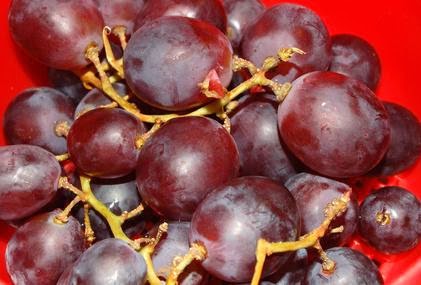
Fruit and Your Health - Part 2 - Grapes


This is one of my favorite from the fruit group.  I love all of them, especially if they are seedless.  They make great salads, mixed with or without other fruits.  Stir them into your favorite chicken salad and you have a wonderful surprise for your mouth.  But not only are they tasty but they are good for us!  Here is what I found in my research.

Info from Healthy Eating

When you include plenty of fruit in your daily diet, you reap many health benefits.  The vitamins, minerals and fiber in fruit helps reduce your risk of chronic diseases such as cancer, stroke and heart disease.  You should aim to include as many colors of fresh fruit as possible each day, the Centers for Disease Control and Prevention recommends.  Green grapes are a healthy choice that will help you meet the daily recommended intake of 2 - 3 cups of fruit as well as help you eat a rainbow of colors.

Vitamins - Green grapes contain vitamins C & K.  Vitamin C plays an important role in preventing infection and also promotes the health of your bones, teeth, gums and blood vessels.  It also acts as an antioxidant to protect your body form the damage caused by free radicals, compounds that might increase your risk of cancer and other chronic diseases.  One cup of green grapes contains 4.8 milligrams of the 75 to 90 milligrams of vitamin C you should consume each day.  Vitamin K supports healthy bones and enables your blood to clot.  You need 120 micrograms of this vitamin each day.  One cup of green seedless grapes contains 22 micrograms toward your daily requirement.

Minerals - A serving of green seedless grapes is a healthy source of potassium and iron.  Potassium aids in organ, tissue, muscle, cell and heart functions, and you need 4,700 milligrams each day to support these bodily systems.  One cup of green grapes supplies 288 milligrams toward that goal.  Iron is important for the proper formation of red blood cells and also aids in the movement of oxygen in your body.  The daily requirement of iron is 8 milligrams for men and 18 milligrams for women.  One cup of green seedless grapes contains 0.54 milligrams of this essential mineral.

Tips - Eat a handful of green seedless grapes as a healthy and simple way to add this fruit to your diet.  Halve green seedless grapes and add them to a fruit salad or a tossed green salad.  Freeze whole green grapes for a refreshing treat on a hot day.  Puree green grapes into a fruit smoothie or scatter them over a bowl of hot or cold cereal.  Top grilled pork chops or chicken breasts with a fruit salsa made form chopped green grapes, diced red onion and a squirt of lime juice.


One of my favorite in the fruit group.  I love all of them, especially if they are seedless.  They make great salads on their own as well as combined with chicken.  And they are good for us!  Here is what I found.

With the exception of Antarctica, grapes are cultivated on all of the earth's continents, and researchers from many different countries have been especially interested in this food mainly due to their amazing nutrient composition.  Every year the list of health-supportive grape nutrients grows longer.  Grapes have been shown to contain the hormone and antioxidant melatonin as well as unique oligopeptides (small protein-line molecules) that have anti-bacterial and other properties.  Areas of benefit in grape research include the cardiovascular system, respiratory system, immune system, inflammatory system, blood sugar regulating system and nervous system.  Another area of special benefit is cancer prevention, with risk of breast, prostate, and colon cancer emerging as the most likely areas of grape anti-cancer benefits.

Antioxidant Benefits - Grapes and grape components can - help prevent certain oxygen-related enzymes form becoming overactive. - increase our blood levels of glutathione (a critical antioxidant nutrient) and also increases the ratio of reduced-to-oxidized glutathione (one important measure of antioxidant capacity).  - helps protect cell membranes form free radical damage. - lowers levels of oxygen reactive molecules in our blood. - reduces oxidation of fat. - lowers biomarkers of oxidative stress.

Anti-Inflammatory Benefits - Grapes also provide us with strong anti-inflammatory benefits.  They have been determined to lower our risk of excessive and unwanted inflammation in a variety of ways.  Many pro-inflammatory messaging molecules can have their activity level reduced by grape intake.

Cardiovascular Benefits - These cardio benefits have been demonstrated in research studies on grapes and grape components - they help regulate blood pressure, including blood pressure reduction if high. - help regulate total cholesterol, including total cholesterol reduction if high. - they reduce LDL cholesterol levels. - reduce LDL oxidation. - reduce levels of reactive oxygen molecules in the blood. - reduce likelihood of cell adhesion to the blood vessel walls. - provide less clumping together of platelet cells, when inappropriate. - enhance release of nitric oxide form endothelial cells lining the blood vessel walls in situations where vasodilation is needed. - help regulate inflammatory in the blood. - increases the levels of glutathione in the blood.

Blood Sugar Benefits - In terms of blood sugar regulation, not all fruits are created equal.  Watermelon for example has a relatively high glycemic index value in the range of 70-75 and is not considered to be a food that can be freely eaten by persons having difficulty with blood sugar balance.  Grapes, on the other hand, have long been classified as a low glycemic index food with GI values ranging between 43-53.  In the case of grapes, recent studies have shown that the low GI value of grapes is a good indicator of this fruit's blood sugar benefits.  Studies have now connected grape intake to better blood sugar balance, better insulin regulation, and increased insulin sensitivity.  It is suspected that the strong phytonutrient content of grapes plays a key role in providing these sugar-related benefits.


Saturday, April 19, 2014

Fruit and Your Health - Part 1 - Cherries


I saw a pin on Pinterest that referred to fruit and how it could benefit us.  That gave me an idea to do a little more research of my own to see just how beneficial fruit can actually be.  I'll be listing different fruits with each post in this series and giving you the link so you'll know exactly where my info came from.  Hope you enjoy learning as much as I have.

According to LifeScript

These little fruits have been appreciated for their delicious pies, but new research suggests that cherries may have the power to combat a stunning array of diseases.  The compound thag gives them their color may also be responsible for neutralizing free radicals and preventing the inflammation that contributes to so many serious health conditions.  Plus, they are packed with fiber. 

Even though they are referred to as berries, cherries are actually a member of the stone fruit family and are related to apricots, peaches, plums and almonds.  They are classified as either sweet or tart and each variety has its own uses and benefits.  Sweet cherries are sold fresh in the produce section and are a favori8te for snacking on raw.  Tart cherries are usually dried, frozen, made into juice or canned for pies and cooking.  Both types get their deep red color form potent antioxidants called anthocyanins which have been shown to hold anti-inflammatory properties that protect the body from an array of serious health conditions including heart disease, diabetes and arthritis. 

According to FoxNews -

Cherries help ease arthritis pain - for those who suffer from arthritis and gout, you will be relieved to find out that adding cherries to your diet can greatly decrease the intense pain associated with those ailments.  Excess uric acid in the blood is the culprit behind the excruciating pain and causes swelling, tenderness and inflammation.  A study done by the USDA found that uric acid can be reduced by as much as 15% by eating 2 cups of Bing cherries.  Cherries can also help reduce painful inflammation by decreasing the amount of C-reactive protein produced.

Cherries help fight cancer - The deep red pigment comes from flavonoids which is a powerful antioxidant that helps fight free radicals in the body.  Cyhanidin is a flavonide from the anthocyanin group found in cherries that helps keep cancerous cells from growing out of control.  For cherries with the most anthocyanins go for the sweet cherries with the deepest pigment - crimson-purple rather than bright red.

Cherries help you sleep -  If sipping a cup of chamomile isn't enough to induce restful sleep try having tart cherry juice before bed.  Tart cherries contain melatonin, a hormone that helps make you feel sleepy.  Two tablespoons of tart cherry juice has been shown to be just as effective as a melatonin supplement.

Cherries and blood pressure - Cherries are an excellent source of potassium, which helps to lower blood pressure by getting rid of the excess sodium in our body.  Eating cherries helps keep potassium and sodium in balance and can prevent hypertension from occurring.  One cup of cherries has the same amount of potassium as a banana making it a great substitute. 

Cherries help keep you trim - Eating cherries can help you lose weight and stay trim.  A cup of cherries is less than 100 calories and packs in 3 grams of fiber, which will keep you feeling full longer.  Also, they contain many B-vitamins such as thiamin, riboflavin and vitamin B6.  These vitamins are crucial for metabolism and convert nutrients into energy.


Sunday, October 27, 2013

Storing Fruits and Vegetables Part 5 (final)


This information came from SparkPeople and is worth sharing as a final addition to the food preservation ideas.


The freezer is often underutilized. Bread, scrambled egg mix, leftover coffee, tea, and broths can all be frozen for later use. Your homemade soup, cooked rice and other dinner entrees can also be frozen if you don't have a chance to eat the leftovers in time. Try using an ice cube try to store single serving pieces of purees, sauces and beverages. Freeze leftover coffee for an iced coffee drink, or a cube of frozen veggie broth to whip up some gravy later in the week. Make smoothies down the road by freezing mashed or chopped fruit. Almost anything can be frozen except for canned foods in the can (although they can usually be removed and frozen) and eggs in the shell. The USDA’s Freezing and Food Safety information sheet offers tips on freezing food and thawing it successfully.

Keep your eyes on the size.
Serving up the correct portion size can help stretch you food dollars and eliminate waste created from uneaten portions—not to mention cut calories for weight management. You should be getting two servings from each boneless, skinless chicken breast. If you’re cooking for one or two, cut your meat into the correct portion sizes and freeze the rest that you won’t eat right away. Stick to these proper portions to feed more people per dollar and cut down on what you may be scraping off the plate!


Compost.
Throwing away (or composting) food should be your last resort if you can't eat it or preserve it first. When food lands in a landfill, it's out of sight, out of mind. So what's the big deal? Well, food and lawn waste makes up 25% of all waste in landfills, which are so densely packed that oxygen isn't readily available. When oxygen is lacking during the decomposition process, the food emits methane gas, which is 20 times more toxic than carbon dioxide. All this methane is bad for the environment, and the inhospitable conditions of landfills make it difficult if not impossible for natural materials like food to break down properly. Each ton of organic matter we can divert from a landfill can save 1/3 of a ton of greenhouse gases from being emitted into the environment. Plus, composting can provide you with your very own "black gold" for free, allowing you to condition and enrich your soil, saving money and turning your food into nutritious fertilizer that will nourish future plants.

If you can’t think of a way to utilize extra foods and food scraps, composting is a better alternative than the trash. Think of it as a way to save the nutrients you’ve paid for by transferring them into new foods as you garden! Many foods can be composted, and it's a lot easier and sanitary than you might think. Check out SparkPeople's
Composting Guide for Beginners to get started.


Overall, reducing food waste requires you to become more aware of what you’re tossing and come up with creative ways to utilize the scraps—or prevent them entirely. Becoming a leftover king or queen, being a savvy shopper, and serving up proper sizes will all help you become a more efficient user of food, saving you money and helping preserve our natural resources.

Friday, October 25, 2013

Storing Fruits and Vegetables Part 4


I found these tips to help us conserve our food and money.

Create a plan—and stick to it!
Meal planning is a critical step to help you spend less and waste less. When you know what you're going to eat today, tomorrow and this coming weekend, you will only purchase the foods you need at the store, preventing you from buying foods on a whim only to have them spoil before you eat them. Creating the plan isn't enough—you must stick to it if it's going to work. Setting your sights for making chili next weekend is great, but when you lose track of time during the week and let the veggies wilt, you are throwing away more than spoiled food; you're wasting your money, too. Stay on top of your planned meal schedule by keeping a calendar on the fridge to remember what’s on the menu each day. When planning, account for all the foods you have to buy and creatively use them throughout the week. Use that eight-pack of whole-wheat hamburger buns for a cookout one night and tuna sandwiches for lunch the next day, for example.

Scrape your scraps.
Look for new ways to use food scraps. Instead of throwing away half an onion or extra bits of carrot, store extras in a container in the freezer. Once you’ve saved enough, boil them in water to make your own homemade vegetable broth that you can use when cooking rice and soup.


Don't like the heels of a loaf of bread? Chop them up and bake your own croutons, or dry them to use as breadcrumbs.

Leftover bits of chicken, fish, shrimp, or tofu can be used in a soups or salads the next day. If you have a dog, you may be able to treat her to certain scraps from fruits, vegetables, and meats as a treat, but check with your vet first.

Plan to preserve.
Consider preserving your own food if you don't have time to eat it before it goes bad. Pickling, canning, drying (dehydrating) and freezing are all ways to extend the shelf life of many fresh fruits, vegetables and meats. We often only think of cucumbers when it comes to pickling, but in reality, almost any vegetable can be pickled. Canning your own fruits, vegetables, sauces and soups can be a fun family event, and it can make farm-fresh foods available all winter. Raisins are dried grapes, but have you ever considered drying mango, pineapple or apple slices? This can be done in a food dehydrator or on a low setting in your oven. However you do it, drying fruit is a great way to make your own grab-and-go snacks and to prevent fruit from going bad.

Wednesday, October 23, 2013

Storing Fruits and Vegetables Part 2


REFRIGERATE THESE GAS RELEASERS:

Apples
Apricots
Canteloupe
Figs
Honeydew


For produce that is best stored in the refrigerator, remember the following guidelines.

Keep produce in perforated plastic bags in the produce drawer of the refrigerator. (To perforate bags, punch holes in the bag with a sharp object, spacing them about as far apart as the holes you see in supermarket apple bags.)

Keep fruits and vegetables separate, in different drawers, because ethylene can build up in the fridge, causing spoilage.

When storing herbs (and interestingly, asparagus, too), snip off the ends, store upright in a glass of water (like flowers in a vase) and cover with a plastic bag.

“The main way to lengthen shelf life is by using cold temperatures to slow food’s respiration, or ‘breathing’ process,” explains Marita Cantwell, PhD, a postharvest specialist at the University of California, Davis. In general, the warmer the temperature, the faster the rate of respiration, which is why refrigeration is critical for most produce. But while you want to slow it down, you don’t want to stop the breathing altogether. “The worst thing to do is seal fruits and vegetables in an airtight bag,” says Barry Swanson, a food scientist at Washington State University. “You’ll suffocate them and speed up decay.”

Some fruits emit ethylene, an odorless, colorless gas that speeds ripening and can lead to the premature decay of nearby ethylene-sensitive vegetables. Put spinach or kale in the same bin as peaches or apples, and the greens will turn yellow and limp in just a couple of days. So the first trick is to separate produce that emits ethylene from produce that’s sensitive to it.

Wednesday, September 4, 2013

Fruit Seasons


Apples July through November
Apricots May through August
Blueberries/Blackberries June through August
Cantalope July through August
Cherries May through August
Grapes June through August
Grapefruit January through June
Kiwi January through April
Mango May through August
Melon June through July
Nectarines June through September
Oranges January through September
Papaya June through September
Pear September through December
Peaches June through August
Pineapple January through December
Plum June through August
Pomegranate October through January
Raspberries June through September
Strawberries May through June
Tangerine October through April
Watermelon July through September

Monday, March 18, 2013

Apples


'An apple a day keeps the doctor away' is a phrase that has been around for years.  But... with all the many varieties out there, which one do you choose?  Maybe this will help.

According to the U.S. Apple Association, these are the top 10 varieties of applies produced in this country.

1.  Red Delicious - full flavored, sweet taste and crisp texture.  Best for fresh eating and snacks.
2.  Golden Delicious - Smooth, sweet taste and tender texture.  Best for eating raw; cutting up in salads; and making applesauce, cider, pies or other desserts.
3.  Gala - Crisp and snapp with mellow sweetness.  Best for fresh eating or in salads and sauces.
4.  Fuji - Sweet-tart flavor; stays crisp for weeks.  Good all-purpose apple that's best for fresh eating, salads and applesauce.
5.  Granny Smith - Crisp with sour apple flavor.  Good all-purpose apple.
6.  McIntosh - Juicy with lightly tart flavor and fresh apple aroma.  Excellent in applesauce, civer and salad or for fresh eating.  Also used for pies.
7.  Rome - Mild, sweet flavor and firm texture.  Most popular for baking.
8.  Ida Red - Tangy-tart flavor.  Favored for sauces, pies and desserts.
9.  Jonathan - Juicy flavor with a spicy tang and tender texture.  Use for fresh eating and cooking.
10. Empire - Sweet-tart taste and extra crisp.  Use for fresh-cut slices, candy and caramel apples, and baking.  Excellent lunch-box snack.